
What does hail damage look like on a roof?
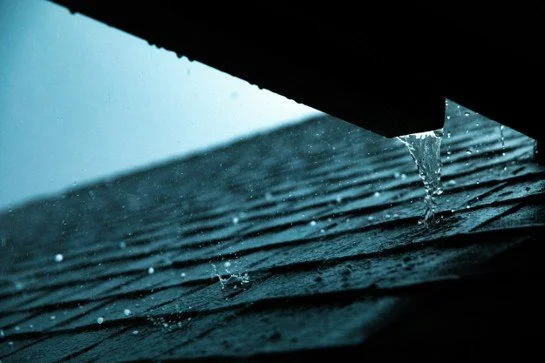
Signs of hail damage on a roof
Ignoring a hail damaged roof can lead to costly repairs, so it's crucial to be aware of common signs:
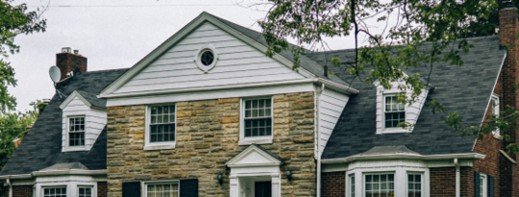
Hail damage to asphalt shingles
Hail can easily dislodge granules from asphalt singles, compromising the roof's integrity and exposing the roof to dangerous weather. Hail-damaged shingles have dark spots, divots, and granules that may have been knocked off.
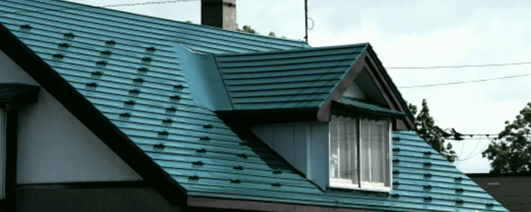
Hail damage to metal roofs
Metal roofs are generally long-lasting and can be resistant to hail damage, but severe hailstorms may still cause problems. You may find dents or depressions on the metal surface or damage to the paint and coating, which could lead to rust. Hailstones can also damage seams, leading to the loosening of fasteners and eventual water damage.
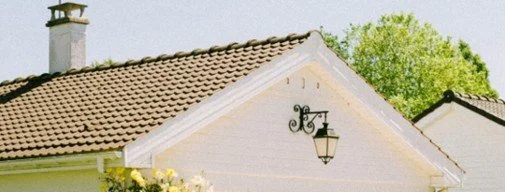
Hail damage to slate/tile
Slate and clay tile roofs are often considered the most reliable of all roof types but can still be vulnerable to cracking from hail. Large hailstones can even break individual tiles and slates, resulting in roof leaks. You may notice punctured holes, chips, and dents on your roof's surface as well as granule loss if the tiles have granule coating.
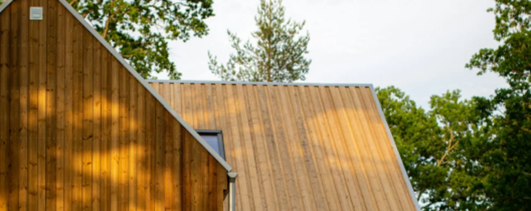
Hail damage to wood roofs
Wood roofs made from cedar shingles or shakes are extremely susceptible to hail damage. Hailstones can cause noticeable splitting and cracking and create bruises or scars on the wood surface.
Pro tip
Class 4 asphalt shingles are designed to be impact-resistant and withstand hail. While they're usually more expensive than standard shingles, they may save you money in the long run if you live in an area prone to hail. Check out performance ratings for impact-resistant shingles from the Insurance Institute for Business & Home Safety (IBHS).
Which roof shapes are at risk for hail damage?
Here are the roof shapes that could be prone to damage from hail:
Roofs with flatter or complex designs: Hail can accumulate on valleys and eaves and roofs with multiple angles can trap hailstones, causing extensive damage. Skylights and vents may also suffer hail damage, as the openings may allow water to seep into the roof.
Gable roofs: Can be a moderate risk, as the two sloped sides and ridge line are vulnerable to heavy wind.
Hip roofs: With their four sloping sides, hip roofs deflect hail better, but they still can be damaged, especially at the ridges and valleys.
Pro tip:
The Insurance Institute for Business & Home Safety (IBHS) recommends a FORTIFIED Roof to reduce storm damage. These roofs have stronger edges and a sealed deck to prevent seepage.
Tips for maintaining a healthy roof
Here are some best practices for preserving your roof:
Inspect your roof at least once a year and after major storms
Check for cracked shingles and signs of sagging
Clean your gutters and downspouts; remove leaves and debris that may cause water back-up
Trim overhanging tree branches
Ensure the vents in your attic are functioning properly
Use a roofing professional for periodic inspections
If you suspect your roof was damaged by hail, act quickly. Prompt action may prevent water leaks and additional damage to your home's interior. Contact a professional for an inspection to find out the extent of the damage.
Deciding between repairing or replacing your roof
If your roof is relatively new or the damage is minor, such as a few missing shingles or a small leak, repairing your roof is often the smart and cost-effective option. However, if the roof is more than 15 years old and has multiple leaks or shows signs of sagging, rot, or other structural issues, you may be forced to replace it. Consult with a roofing professional to help you make the best choice.
How much does a new roof cost?
According to This Old House, prices can range from $9,858–$41,822 to replace a 2,000-square-foot-roof. Prices vary based on your location, type of roof, labor and material costs, and time of year. Roofing companies may offer discounts in the winter months when business is slower.
How does homeowners insurance cover hail damage to your roof?
Dwelling coverage, also known as Coverage A, under your homeowners policy may pay to repair or replace your hail-damaged roof, up to your coverage limit and minus your deductible. If you reside in an area prone to hailstorms, your policy may include a separate and higher deductible for hail damage.
If you have a replacement cost value (RCV) endorsement, your insurance company may pay for the entire roof replacement. However, if you have an actual cash value (ACV) endorsement, your insurer may issue you a check for the roof's depreciated value.
Compliments of Progressive Insurance
Dan Zeiler
dan@zeiler.com
877-597-5900 x134