
Hazard Insurance 101
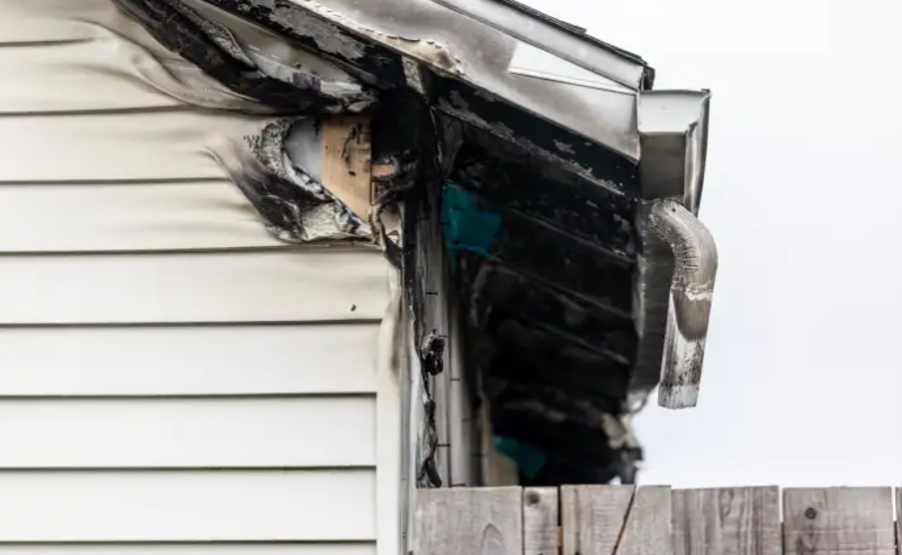
Hazard insurance is a term you may hear when buying a home or reviewing your mortgage paperwork. It can sound like a separate policy, but it usually refers to the part of your homeowners insurance that helps protect the structure of your home from certain covered events, such as fire, wind, hail, or lightning.
Here’s what hazard insurance means, what it may cover, what it typically excludes, and how to make sure your home has the protection it needs.
What Is Hazard Insurance?
Hazard insurance is not a separate product you buy on its own. Instead, it’s the dwelling coverage section of a standard homeowners insurance policy. This coverage generally helps pay to repair or rebuild your home if it’s damaged by specific hazards or perils, such as fire, wind, hail, or lightning.
Lenders typically require this coverage because your house serves as the collateral for your mortgage loan. If a fire or severe storm destroys the property, the lender wants a guarantee that funds will be available to rebuild it.
That protection matters for both you and your lender. It helps protect the lender’s financial interest in the property while also helping you avoid paying a mortgage on a home you can no longer live in after a major covered loss.
Is Hazard Insurance the Same as Homeowners Insurance?
No. Homeowners insurance is a comprehensive package that typically includes several different types of coverage. It protects your personal belongings, provides liability coverage if someone is injured on your property, and pays for temporary living expenses if your home becomes uninhabitable.
Hazard insurance is simply one specific piece of that larger puzzle. It applies exclusively to the home’s physical structure and attached structures, such as a garage.
What Does Hazard Insurance Cover?
Coverage varies depending on your policy, but it generally helps pay for damage to your home’s structure caused by covered perils.
Common examples of covered risks may include:
Smoke and fire damage
Windstorms and hail
Lightning strikes
Explosions
Theft and vandalism
Falling objects, such as tree branches
Damage caused by the weight of snow, sleet, or ice
Sudden and accidental water damage, such as a burst pipe
Damage from civil disturbances or riots
The hazard portion of your policy will help cover the repair costs if, for example, a severe windstorm tears the shingles off your roof, or a fire damages your kitchen.
Read our detailed breakdown of the perils covered by homeowners insurance to learn more about specific risks.
What Isn’t Covered by Hazard Insurance?
No insurance policy covers everything, and hazard coverage has its limits. Standard policies typically exclude damage from certain events and routine maintenance issues.
Common exclusions may include:
Flood damage: Damage from storm surge, overflowing rivers, or heavy rainfall typically requires a separate flood insurance policy.
Earthquakes and earth movement: Standard homeowners insurance usually doesn’t cover damage from earthquakes, landslides, or sinkholes.
Maintenance issues: Wear and tear, neglected repairs, pest damage, and mold are typically not covered.
Sewer backups: Damage caused by water backing up through a sewer or drain may require additional water backup coverage. Service line coverage generally applies to the service line itself, not the resulting interior water damage.
“Our homes are our sanctuaries, and insurance companies want to help keep them that way,” says Adam Bakonis, Sr Manager, Product Management. “Understanding what your policy does and doesn’t cover can help you plan ahead and decide whether additional coverage makes sense for your home.”
How Much Hazard Insurance Do You Need?
The amount of coverage you need is based on your home’s replacement cost, which differs from its real estate market value.
Market value fluctuates based on neighborhood desirability, school districts, and the land your house sits on. Replacement cost is the estimated amount of money it would take to hire contractors and buy materials to rebuild your house from the ground up after a total loss.
Your mortgage lender will usually require you to maintain enough hazard coverage on the dwelling to protect its financial interest in the property. However, your coverage limits should ideally match 100% of your home’s replacement cost to fully protect your investment. You may also want to consider Extended Replacement Cost coverage, which can provide additional protection if rebuilding costs increase during the policy term due to inflation, demand surge after a major disaster, or other factors.
Contact us to review your coverage and choose limits that fir your home budget and needs.
How to Review Your Hazard Insurance Coverage
Keeping your policy up to date is just as important as buying it in the first place. You can take a few steps to ensure your coverage meets your current needs:
Review your declarations page: This document outlines your coverage limits, deductibles, and premium amounts.
Check dwelling coverage limits: Ensure the amount is enough to cover current rebuilding costs.
Understand covered perils and exclusions: Know exactly what risks your policy includes and excludes.
Ask about flood or earthquake insurance: Ask us about purchasing separate policies if you live in an area prone to these risks.
Update your policy after major renovations: Home improvements such as a new roof or a kitchen remodel can increase your home’s replacement cost.
Create or update a home inventory: Documenting your belongings can make the claims process much smoother.
Speak with your Zeiler Insurance agent: We can provide personalized guidance if you have any questions or want to adjust your limits.
Compliments of Mercury
Dan Zeiler
dan@zeiler.com
877-597-5900 x134