
How to Protect Your Car from Road Salt This Winter
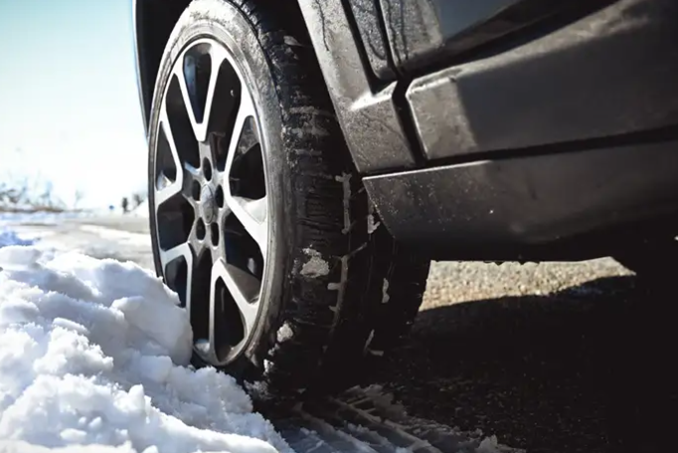
Winter transforms the landscape into a snowy wonderland, but for drivers, it also brings hazardous road conditions. To keep us safe, local governments deploy road salt to melt ice and provide traction. While salt is a lifesaver for driving safety, it can be a silent enemy to parts of your vehicle.
Road salt is highly corrosive and can eat away at your car's exterior and undercarriage, leading to rust and long-term damage. Understanding the risks and taking proactive steps can save you from costly repairs down the line. In this guide, we’ll explore how salt affects your vehicle and provide actionable tips to keep your car protected throughout the winter season.
Does Road Salt Damage Cars?
Yes, road salt significantly accelerates the corrosion process on vehicles. When salt mixes with water, it creates a brine that eats away at metal components, paint, and clear coats, leading to rust and structural damage if left untreated.
What Kind of Salt Damage Occurs to Cars?
The impact of road salt goes far beyond cosmetic issues. Because salt is corrosive, it impacts various parts of your vehicle, often starting in areas you can't easily see.
Rust and frame corrosion: The undercarriage is most vulnerable because it is constantly exposed to salt spray. Over time, salt can corrode the metal frame, weakening the structural integrity of the vehicle.
Brake and suspension wear: Salt can accumulate on brake lines, calipers, and suspension parts. This corrosion can lead to leaks in hydraulic systems or cause moving parts to seize, compromising your safety.
Exhaust system impact: Your exhaust system is made of metal and is located underneath the car, making it a prime target for salt damage. Rust can cause holes in the muffler or exhaust pipes, leading to noise and dangerous exhaust leaks.
Electrical and sensor issues: Modern vehicles rely on complex wiring and sensors. Saltwater can seep into electrical connections, causing shorts, sensor failures, and warning lights on your dashboard.
Does Salt Ruin Car Paint?
While modern car paint is durable, it is not impervious to salt. Road salt can wear down the protective clear coat over time. Once the clear coat is compromised, the salt can reach the paint layer and eventually the metal underneath. This often starts as micro-scratches or chips that trap salt, leading to bubbling paint and rust spots that are expensive to fix.
How Long Can Salt Stay on Your Car Before It Causes Damage?
Salt can begin causing corrosion within days when moisture is present.
The speed of corrosion depends heavily on the environment. In dry conditions, salt is relatively harmless. However, winter weather often brings humidity, melting snow, and slush. This moisture activates the corrosive properties of salt. If you drive on salted roads and park in a garage where the snow melts, the resulting saltwater sits on your car's components, accelerating the rusting process. It is crucial to spot early signs of damage, such as bubbling paint or reddish-brown stains, to prevent minor issues from becoming major repairs.
How to Protect Your Car from Road Salt
Protecting your investment doesn't require professional detailing every week. A few consistent habits can make a significant difference in how well your car withstands the winter elements.
Wash Your Car Regularly
Frequent washing is your first line of defense. Aim to wash your car every 10 to 14 days during the winter. This removes the salt buildup before it has a chance to do serious damage.
When washing, pay special attention to the undercarriage. Many automatic car washes offer an undercarriage spray, which is essential for rinsing salt from the frame, brakes, and suspension. However, avoid washing your car when temperatures are below freezing. Water can freeze in door locks, on brake calipers, or weather stripping, potentially causing them to stick or crack. Wait for a day when the temperature rises above freezing to give your car a thorough clean.
Apply a Protective Wax or Sealant
Think of wax as a shield for your paint. Applying a high-quality polymer wax or sealant provides a barrier that prevents salt from coming into direct contact with your clear coat.
The best time to apply this protection is in the late fall, before the first snow hits. This “pre-season” application prepares the surface for the harsh months ahead. If possible, a mid-season refresh—perhaps during a spell of milder weather—can reinforce this barrier and keep your paint looking new.
Choose the Right Floor Mats
Salt doesn't just stay outside; it tracks inside on your boots. Once inside, melting snow and salt soak into the carpet, causing stains and rusting the floor pan from the inside out.
Swap out your standard carpet mats for all-weather rubber floor mats. These mats are designed with deep channels to trap water, slush, and salt, keeping them away from your vehicle's carpeting. They are also much easier to clean—simply remove them and hose them off.
Keep Tires and Wheel Wells Clear
Snow and slush mixed with salt often pack into wheel wells and around tires. This “frozen concrete” can rub against tires during turns or bumps, impacting steering and potentially damaging brake lines.
Kick off large chunks of buildup before you drive. For stubborn packed snow, use a soft-bristled brush or a rubber mallet to gently knock it loose. Avoid using hard metal tools, which can scratch your paint or damage the wheel well liner.
Winter Driving Tips to Reduce Salt Exposure
How you drive and where you park can also influence how much salt your vehicle collects. Planning ahead helps minimize exposure.
Plan safer routes: Main highways are heavily salted, while secondary roads might use less or rely on sand. While safety is the priority, alternate routes might offer a balance between cleared roads and excessive salt spray. Be sure to avoid common winter driving hazards regardless of the route you choose.
Parking considerations: Avoid parking in deep puddles or slush piles where salt is concentrated. If you have a garage, be aware that a heated garage can actually speed up rust if you park a salty, wet car inside. The heat accelerates the chemical reaction of corrosion.
Rinse after storms: Once the roads are clear and dry, head to the car wash. A quick rinse immediately after a storm cycle ends is one of the most effective ways to remove the heavy concentration of salt accumulated during bad weather.
When Salt Damage Can Lead to an Insurance Claim
Most drivers associate insurance claims with collisions, but maintenance-related issues can sometimes lead to claim situations. For example, if severe rust corrosion causes a mechanical failure—such as a brake line snapping—and that failure results in an accident, the accident itself would typically be covered under your collision policy.
“Road salt is highly corrosive. Regularly rinsing the undercarriage, applying a pre-season wax or sealant, and using all-weather floor mats are simple, effective steps that can slow rust and protect brakes, exhaust and electrical components,” says Kevin Quinn, VP, Auto Claims for Mercury Insurance.
Routine maintenance is vital to prevent these scenarios. Insurance generally does not cover wear and tear or gradual rust damage itself. However, having a provider who supports you when the unexpected happens is invaluable. For more on avoiding winter incidents, read about winter road safety.
Preparing Your Vehicle for Winter Weather
Protecting against salt is just one part of a comprehensive winter strategy. To fully safeguard your vehicle, you need to look at the bigger picture of winter readiness.
Pre-winter inspections: Before the cold sets in, check your battery, as cold weather drains power. Inspect your antifreeze levels to prevent engine freezing.
Visibility and traction: Ensure your windshield wipers are fresh and your washer fluid is rated for freezing temperatures. Check your tire pressure regularly, as it drops in cold weather, and ensure you have sufficient tread depth.
For a detailed checklist on getting your car ready, check out our guide on how to winterize your vehicle. Additionally, reviewing essential winter car maintenance tips can help you stay ahead of potential issues before they leave you stranded.
Final Thoughts
Road salt is a necessary evil for winter driving safety, but it doesn't have to spell disaster for your car. By washing your vehicle regularly, applying protective wax, and keeping an eye on early signs of corrosion, you can extend the life of your car and maintain its value.
Winter is unpredictable, but your coverage shouldn't be. Ensure you have the right protection for every season.
Compliments of Mercury Insurance
Dan Zeiler
dan@zeiler.com
877-597-5900 x134